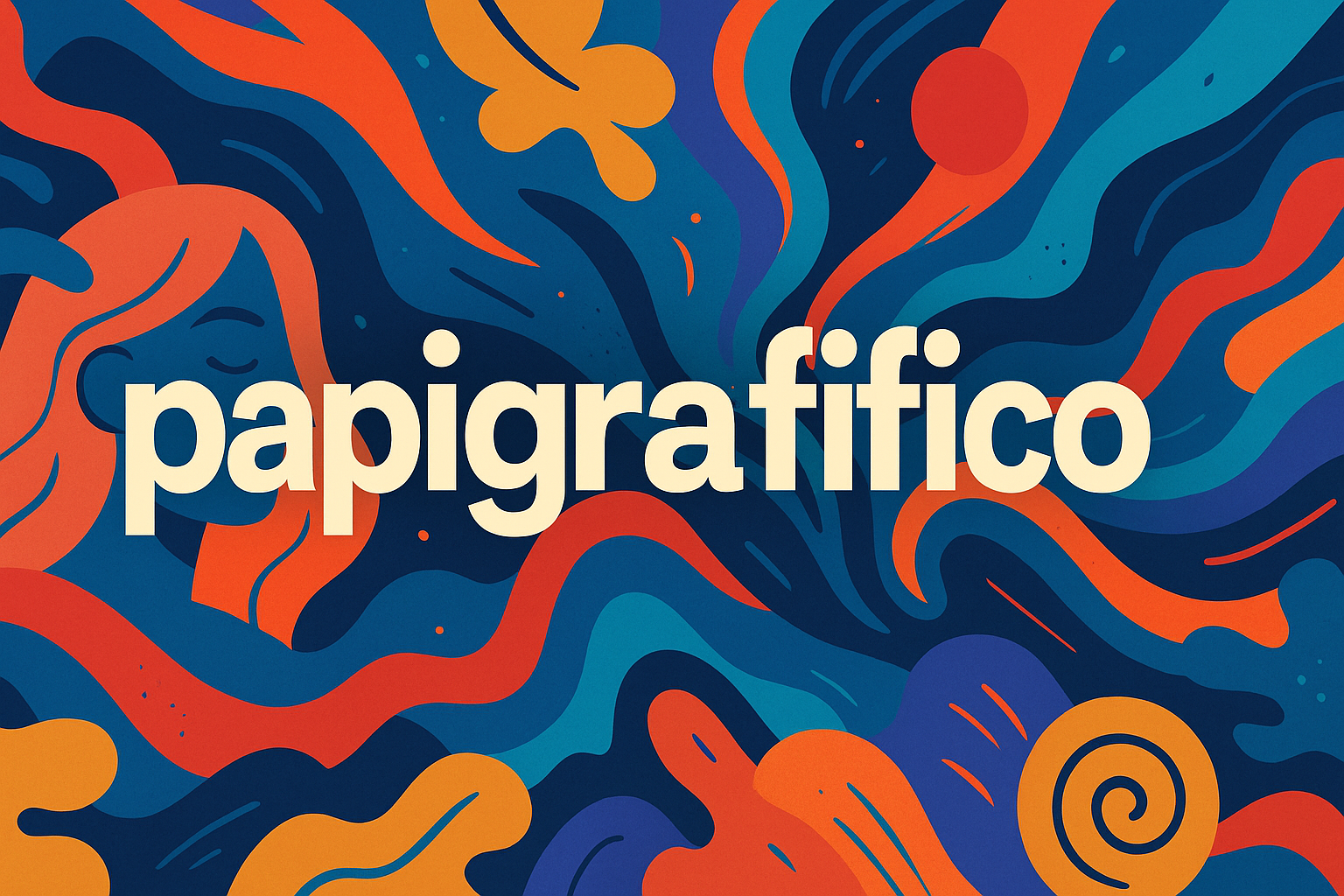
Introduction to PapiGrafifico
PapiGrafifico, a term that is increasingly gaining traction within the graphic design industry, represents a distinctive approach to visual communication that blends art with modern technology. The origins of PapiGrafifico can be traced back to the advent of digital media and the necessity for innovative design solutions that resonate with contemporary audiences. As societies evolve, so too do the visual languages we employ to communicate ideas and emotions. PapiGrafifico emerges as a response to this evolution, offering a fresh perspective that emphasizes creativity, sustainability, and user engagement.
This design philosophy is rooted in a deeper understanding of visual storytelling. At its core, PapiGrafifico reflects the belief that design should not only be aesthetically pleasing but also enlightening and purposeful. It focuses on the thoughtful integration of color, typography, and imagery to create compositions that evoke emotion and provoke thought. The significance of PapiGrafifico lies in its ability to bridge traditional graphic design principles with cutting-edge digital methodologies, allowing designers to capture the attention of diverse audiences effectively.
The appeal of PapiGrafifico transcends aesthetic considerations. In a rapidly changing world where visual content is omnipresent, the versatility of this style finds relevance in numerous sectors, including marketing, branding, and web design. Designers employing PapiGrafifico techniques are equipped to create compelling visual narratives that foster brand loyalty and enhance user experience. The broad spectrum of applications, from print media to digital interfaces, illustrates the adaptability of PapiGrafifico in meeting the demands of varied professional environments, making it a significant player in the graphic design landscape today.
Key Features of PapiGrafifico
PapiGrafifico has emerged as a significant trend in the graphic design landscape, distinguished by its bold aesthetic and innovative approaches. One of the defining characteristics of this movement is the use of striking colors that challenge conventional design norms. Unlike traditional graphic design, which often relies on muted palettes, PapiGrafifico embraces vibrant hues that capture attention and evoke emotion. For instance, the recent campaign launched for a contemporary art gallery utilized an array of bright colors that not only highlighted the artwork but also drew viewers into an immersive visual experience.
Another hallmark of PapiGrafifico is its unique typography. In contrast to standard fonts used in traditional designs, this style emphasizes custom lettering and dynamic typography that resonate with the theme of the project. Notable examples include a branding initiative for a startup tech company that employed bespoke typography. This choice enhanced brand recognition, allowing the company to stand out in a crowded marketplace while simultaneously conveying its innovative ethos.
Moreover, PapiGrafifico makes effective use of innovative layouts that break away from the grid system prevalent in much of traditional graphic design. These layouts often incorporate asymmetrical compositions and layered elements, creating a sense of depth and movement. A case in point is an award-winning poster design that utilized an unconventional layout to lead the viewer’s eye across the piece in a non-linear fashion, thus facilitating a more engaging interaction with the visual narrative presented.
Through these key features—bold colors, unique typography, and innovative layouts—PapiGrafifico not only differentiates itself from traditional graphic design but also serves to create compelling visual stories that resonate with diverse audiences. These elements work in tandem to provide a fresh perspective on graphic design, making PapiGrafifico a pivotal observation in the field.

The Influence of PapiGrafifico on Contemporary Design
PapiGrafifico has emerged as a significant trend in contemporary graphic design, influencing not only the aesthetics of the visuals created but also the way audiences interact with design. This fresh approach synthesizes traditional elements with modern techniques, resulting in a dynamic visual language that resonates with both designers and clients. By integrating bold colors, unique patterns, and playful typography, PapiGrafifico has inspired a generation of designers to rethink their methods and embrace innovation in their creations.
The impact of PapiGrafifico extends beyond mere visual appeal; it has transformed client expectations significantly. Today’s clients seek designs that are not just functional but also visually captivating and engaging. PapiGrafifico meets this demand by providing graphic elements that evoke emotions and stimulate interaction. Designers who employ PapiGrafifico principles cultivate a deeper connection with their clients, allowing for a better understanding of their target audiences. This trend aligns with the contemporary need for brands to convey their messages through imagery that is both entertaining and informative.
Moreover, established design firms have recognized the value of incorporating PapiGrafifico elements into their work to remain competitive in an evolving market. Traditional branding strategies are now blending with PapiGrafifico’s distinctive characteristics, resulting in innovative brand identities that stand out in a crowded marketplace. This seamless integration showcases the versatility of PapiGrafifico across various mediums, from digital platforms to print media. As designers adopt these principles, they not only keep their work current but also set new benchmarks for creativity in graphic design.
In conclusion, the influence of PapiGrafifico on contemporary design is profound and multifaceted. It reshapes aesthetic choices, elevates client expectations, and inspires engaging connections with audiences, solidifying its status as a crucial movement in the world of graphic design.
How to Implement PapiGrafifico in Your Projects
Incorporating PapiGrafifico into your graphic design projects can invigorate your creative process and lead to unique visual outcomes. Here are some practical steps to effectively implement this innovative style.
Firstly, the selection of color palettes is crucial when adopting the PapiGrafifico style. Opt for a blend of bold, saturated colors that resonate with the playful yet sophisticated essence of this approach. Consider tools like Adobe Color or Coolors, which allow you to experiment with different combinations and find the perfect harmony for your design. Bright and contrasting colors help in creating a vivid atmosphere, while softer tones can provide balance and depth to your work.
Next, focus on creating unique typographic arrangements that characterize the PapiGrafifico style. Typography in PapiGrafifico is often dynamic and can include various styles, from graphic fonts to hand-lettered designs. Utilize software such as Adobe Illustrator or Canva, which provide flexibility in manipulating text elements. Experiment with layering, scale variation, and positioning to create an engaging hierarchy that captures the viewer’s attention and conveys your message effectively.
Additionally, innovative composition techniques play a significant role in achieving the PapiGrafifico aesthetic. Employ asymmetrical layouts, unexpected shapes, and negative space intentionally to breathe new life into your designs. This approach allows for the development of striking visual narratives that resonate with audiences. Consider studying works from established PapiGrafifico designers, as analyzing their compositions can provide valuable insights and inspiration.
Lastly, there are numerous resources, tools, and tutorials available for budding designers looking to refine their PapiGrafifico skills. Websites like Skillshare and YouTube host a variety of instructional content that can help you understand the principles of this style better. Engaging with design communities on platforms like Behance or Dribbble can also foster collaboration and provide feedback which is vital for growth in this exciting new arena of graphic design.